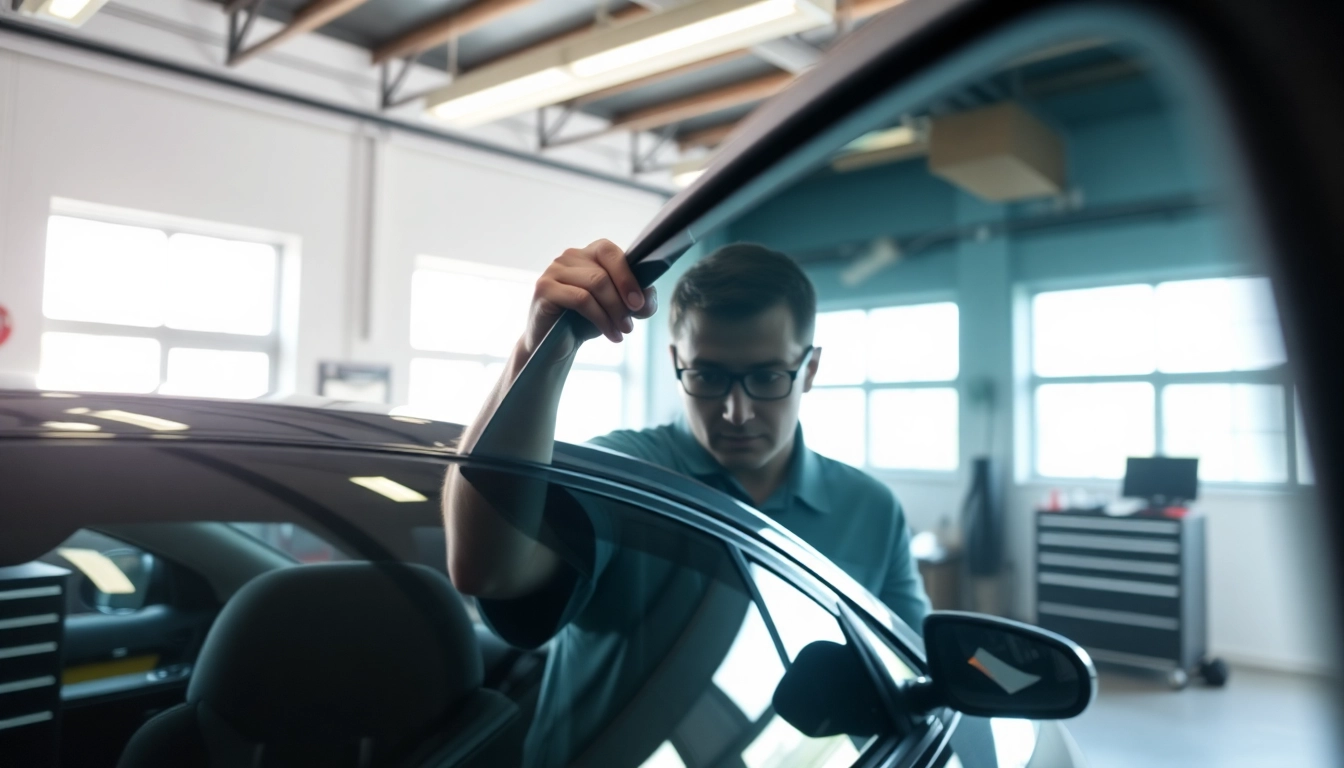
Understanding Window Tinting Basics
What is Window Tinting?
Window tinting involves applying a thin film to the glass surfaces of vehicles or buildings to reduce glare, enhance privacy, and block damaging UV rays. The film typically contains layers of polyester and metalized coatings, which can also provide a level of heat insulation. This process not only improves the aesthetics of the vehicle or building but also offers functional benefits for occupants.
Types of Window Tint Available
Several types of window tinting films exist, each offering distinct advantages:
- Dyed Window Tint: The most economical option, primarily reduces glare and enhances privacy. However, it may not offer significant UV protection.
- Metalized Window Tint: Contains tiny metallic particles that reflect heat and UV rays, adding strength to the glass.
- Carbon Window Tint: A mid-range option providing excellent heat rejection without compromising visibility, ideal for those seeking high performance.
- Ceramic Window Tint: The most advanced option, offering superior UV filtration and heat reduction, while remaining non-reflective to ensure clear views.
- Hybrid Window Tint: Combines dyed and metalized films to balance aesthetics and performance.
Benefits of Window Tinting
Opting for window tint not only enhances privacy and coolness but also offers numerous other benefits:
- Enhanced Comfort: By reducing heat and glare, interiors remain more comfortable during hot weather.
- UV Protection: Window tint can block up to 99% of harmful UV rays, safeguarding skin and preventing interior fading.
- Increased Security: Tinted windows can deter break-ins by obscuring visibility into the vehicle or building.
- Energy Efficiency: Reduces the reliance on air conditioning, thereby lowering energy bills.
- Improved Aesthetics: Provides a sleek and polished look to vehicles and buildings.
Factors to Consider When Choosing Window Tint
Legal Regulations on Window Tint
Before selecting window tinting, it is critical to be aware of your local regulations. Each state has specific laws regarding the visible light transmission (VLT) levels allowed for different windows. For instance, front windshields often have stricter limits compared to side and rear windows. Failing to adhere to these regulations may result in fines or the need to remove the tint. Always consult local guidelines to ensure compliance.
Energy Efficiency and UV Protection
Window tints vary significantly in their ability to reflect solar energy. Picking a film that offers high energy efficiency reduces heating and cooling costs, making it a sound investment. Moreover, UV protection is crucial for both health and preserving the integrity of furnishings; choosing a film that blocks at least 99% of UV rays is ideal.
Privacy and Aesthetic Considerations
Privacy is a major reason individuals opt for window tinting. The right tint can provide seclusion while still allowing visibility from the inside out. Aesthetic preferences should also be considered; different tint shades and finishes can enhance the overall look of a vehicle or building.
How to Find Quality Window Tint Near Me
Researching Local Providers
Finding quality service for window tinting is essential for ensuring a successful installation. Begin your search for window tint near me by using online search engines and local directories. Look for companies that specialize in automotive or architectural tinting and have solid reputations for quality work.
Reading Customer Reviews and Testimonials
Customer feedback can provide invaluable insights into the quality and reliability of a service provider. Platforms such as Google, Yelp, and social media channels often showcase customer experiences. Take note of reviews regarding the quality of the film, installation efficiency, and customer service.
Evaluating Service Offerings
Not all tinting services are created equal. Review the types of films offered, warranty options, and the experience level of technicians. A reputable provider should list their product offerings, including the various types of films available, alongside detailed descriptions of their attributes.
The Installation Process Explained
Preparation for Window Tint Installation
Prior to installation, proper preparation is key. Ensure that the vehicle or building windows are clean and free from any defects. It may be necessary to remove window trims or other elements that could obstruct the application of the tint. Professional installers will typically handle this step to guarantee a smooth process.
What to Expect During Installation
The installation time can vary based on the size and number of windows being treated. On average, a complete vehicle window tint job may take between 1 to 3 hours. During this period, the installer will meticulously cut and apply the film to fit each pane, using tools to ensure there are no air bubbles or imperfections.
Post-Installation Care and Maintenance
Once the installation is complete, it's crucial to understand how to care for your newly tinted windows. Avoid rolling down windows for at least 48 hours to allow the adhesive to cure. When cleaning, use soft, non-abrasive materials and avoid ammonia-based cleaners, as these can damage the tint.
FAQs about Window Tint Near Me
What are the local laws regarding window tinting?
Local tinting laws vary by region. It's essential to check your state regulations for permissible tint levels and types.
How long does a window tinting installation take?
Installation typically takes about 1-3 hours, depending on the number of windows and type of film chosen.
Is window tinting cost-effective?
Yes, it can reduce energy costs, protect interiors from UV damage, and improve privacy, providing long-term savings.
Can I install window tint myself?
While DIY kits are available, professional installation ensures a perfect finish and compliance with local laws.
What maintenance does window tint require?
Regular cleaning with non-ammonia-based products and avoiding abrasive tools will maintain tint clarity and longevity.